
trendy w automatyce przemysłowej
Decentralization of control cabinets
Decentralization of control cabinets is currently one of the most important trends in industrial automation, bringing numerous benefits in terms of efficiency, flexibility and reliability of control systems. In the past, central control cabinets were the standard for managing all aspects of the production process. However, as technology develops, they are increasingly being replaced by distributed control systems.
Benefits of decentralization:
1. Increased flexibility
Decentralization makes it easier to adapt and modify systems. If changes to the production process are necessary, modifications can be made locally, without the need to interfere with the central control system..
2. Reduced wiring costs
In distributed control systems, communication between components takes place via industrial networks, which significantly reduces the amount of wiring needed for electrical devices, and consequently, installation and maintenance costs.
3. Improved reliability
A failure of one module in a decentralized system does not stop the entire control system. In the case of central control systems, a failure of one cabinet could stop the entire production.
4. Easier scalability
Adding new control elements to a distributed system is easier – just add new modules in the appropriate places, without having to modify the central cabinet.
5. Increased space
Thanks to decentralization, it is possible to better use space, because large central control cabinets are replaced with smaller units located closer to their points of operation.
Designing a Decentralized Control System
A key element of the design of a decentralized control system is the use of three sizes of enclosures that perform different functions and are located according to installation requirements.
Main Cabinets
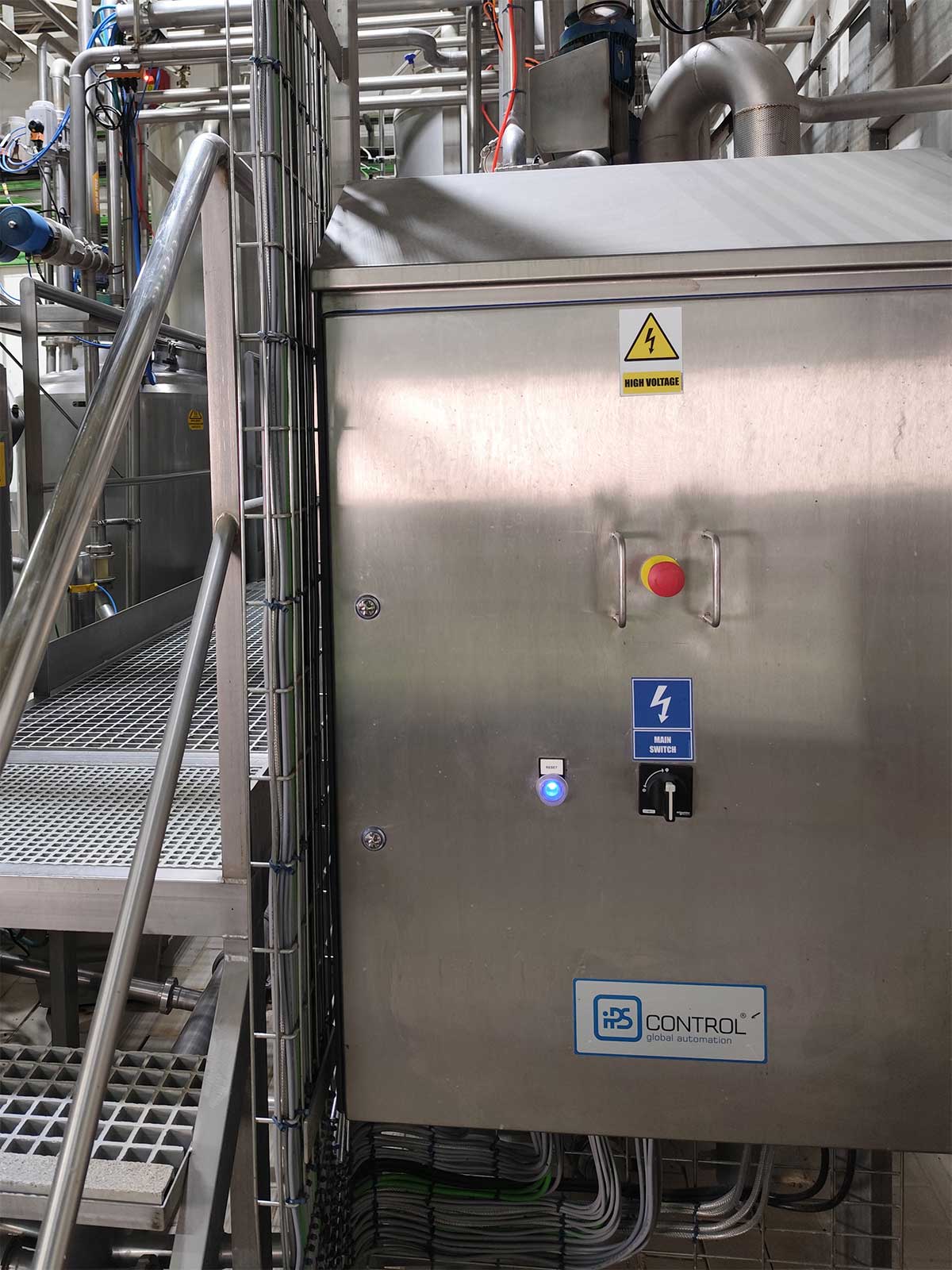
Function: High-current cabinets responsible for powering drives and other devices requiring higher power. They provide the main power supply to the system and power distribution.
Location: Installed in air-conditioned technical rooms, which allows for maintaining stable operating conditions and protection against overheating or interference.
Control Cabinets
Function: Manage a large number of signals from machines, allowing control over individual stages of the production process. They are responsible for signal processing and communication with local devices.
Location: Placed in an easily accessible place close to the installation, which allows for reducing cable lengths and reducing costs.
Terminal Boxes
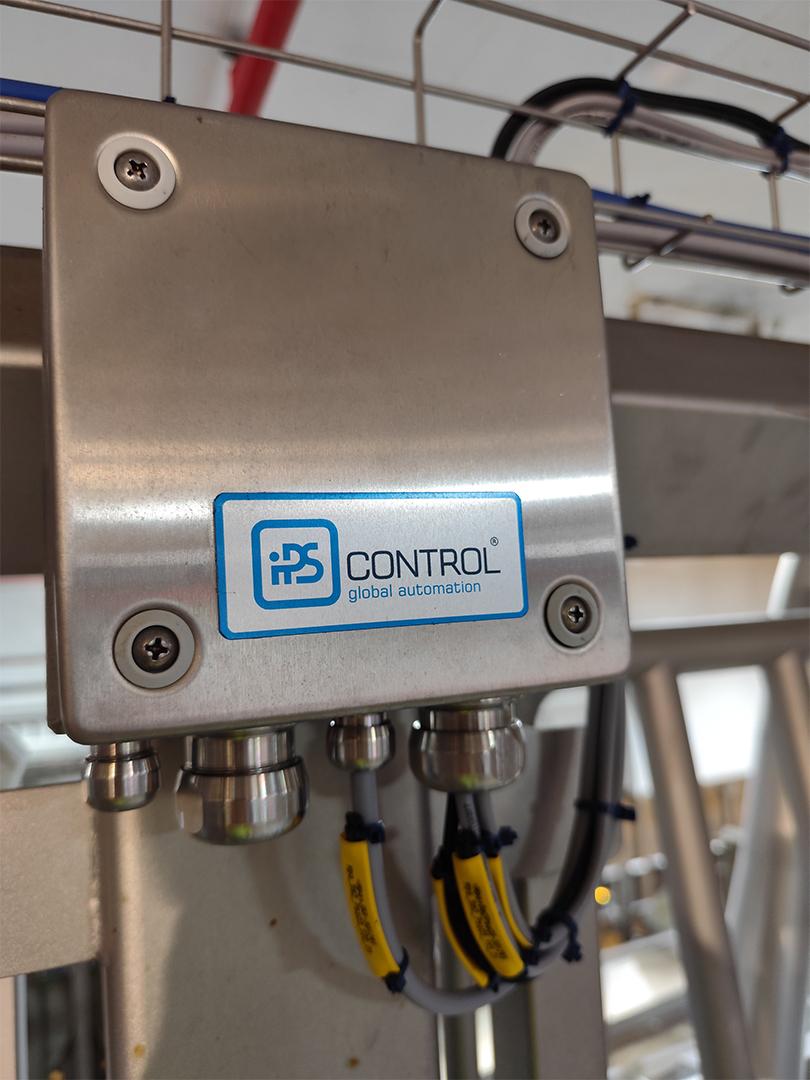
Function: Collective points for connecting local cables from devices. Often used for extending cables when electrical components have cables of insufficient length.
Location: Mounted next to equipment for easy cable management and servicing.

Conclusions
Decentralization of control cabinets is a strategy that allows for improving the efficiency, flexibility and reliability of control systems in industrial automation. It allows for better use of space, easier system scaling and minimization of costs and downtime. In the context of dynamically developing technologies and growing production requirements, decentralization is becoming a key element of modern automation systems. Implementing such an approach can help companies meet the challenges of modern automation and improve their operations.